
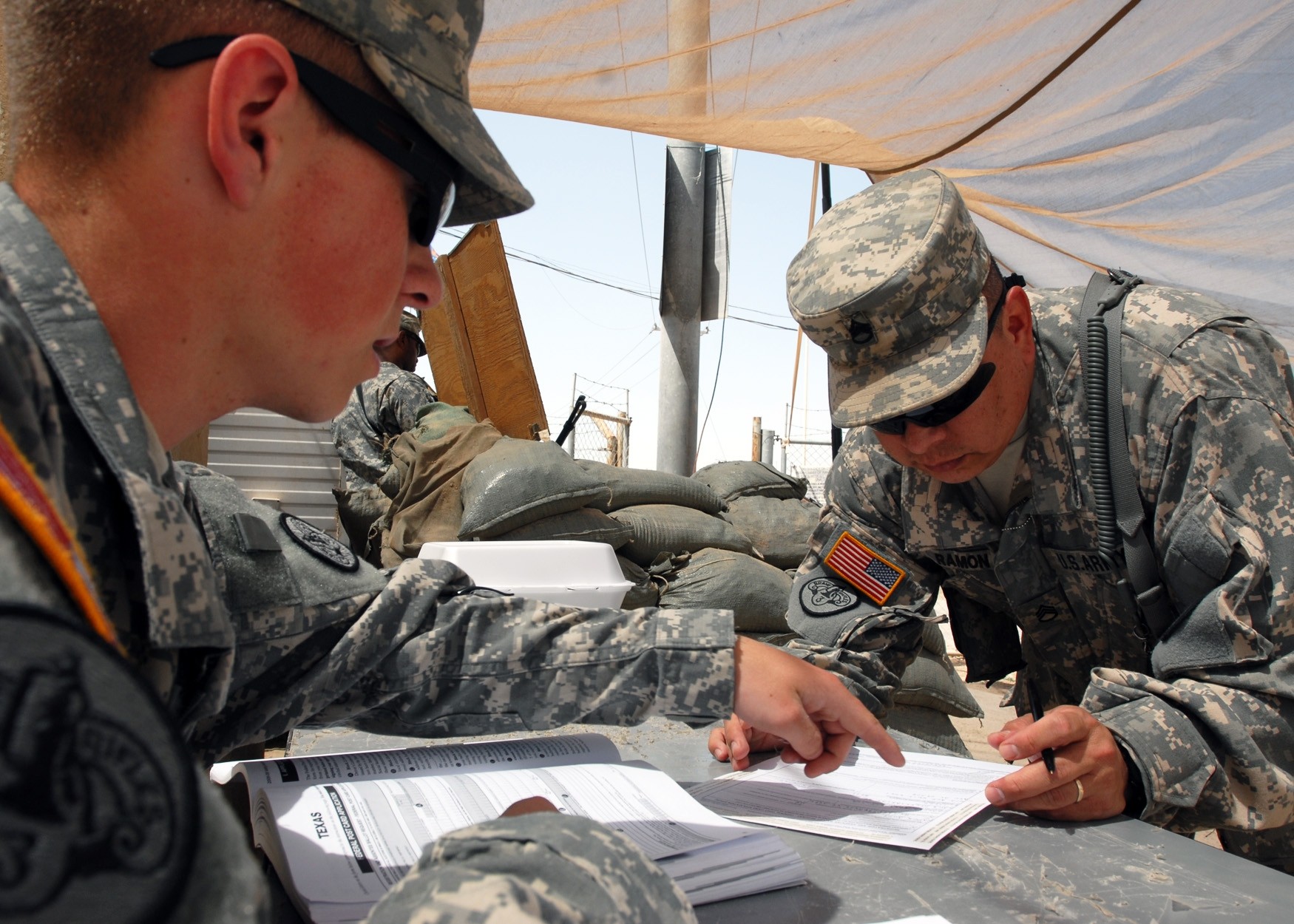
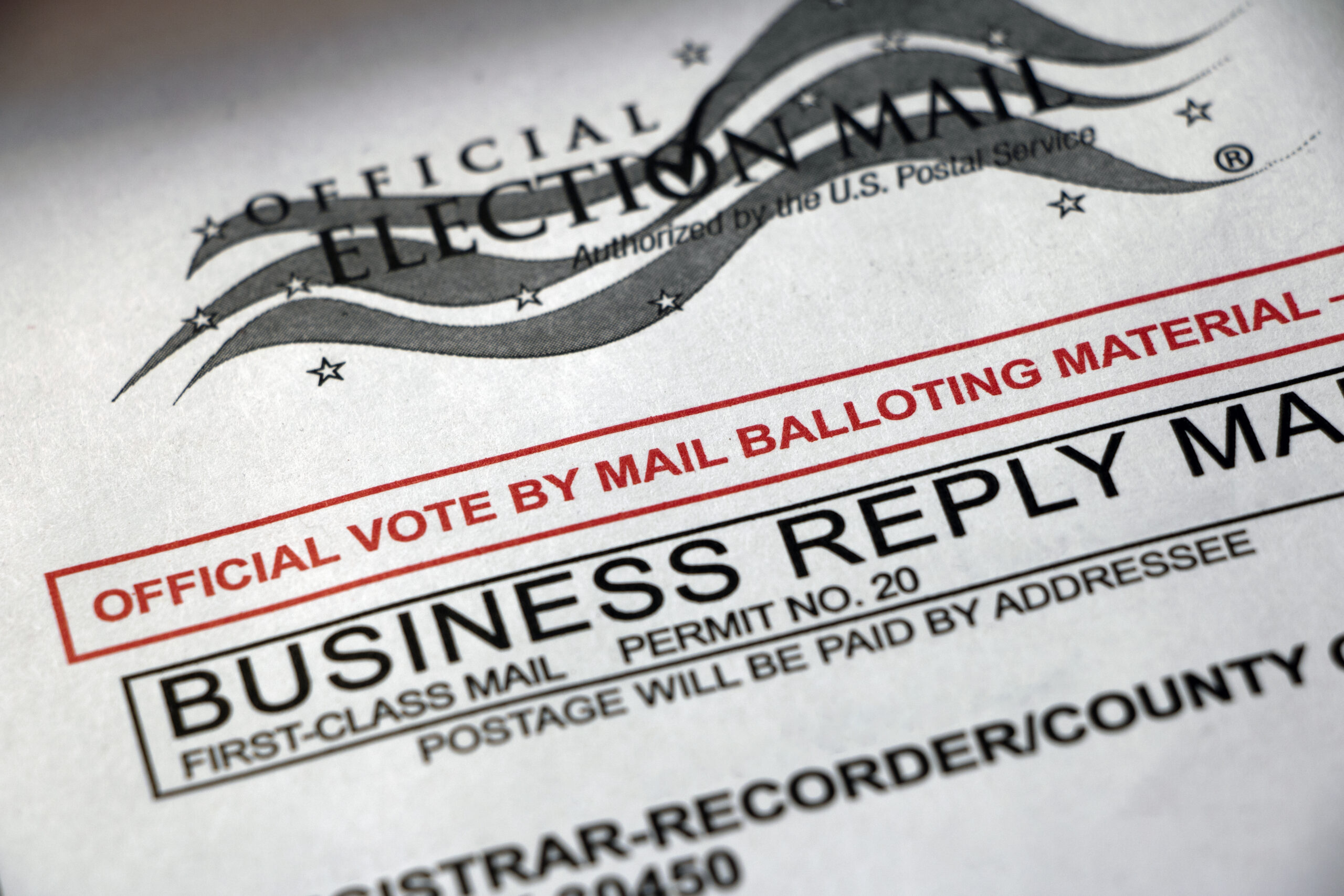








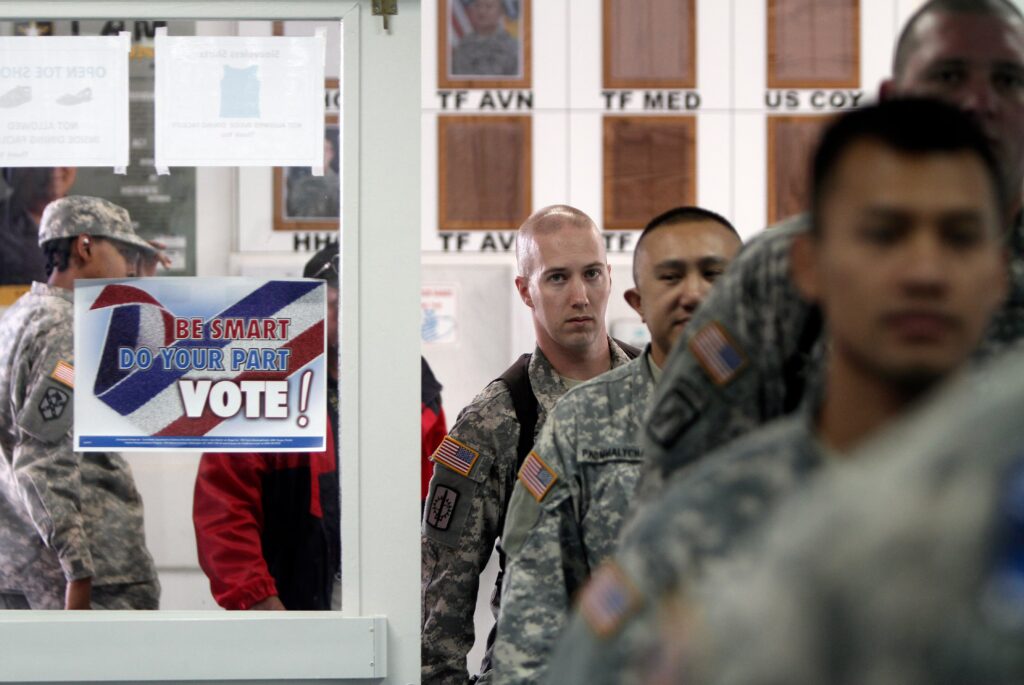
For millions of Americans, especially those serving overseas or living far from home, mail-in voting is not a convenience. It’s a necessity.
From active-duty service members to military families and veterans, many rely on absentee and mail-in ballots to participate in elections. Federal law already recognizes this reality through protections like the Uniformed and Overseas Citizens Absentee Voting Act, which guarantees the right to vote absentee for those serving away from home.
But in practice, barriers still exist. Delays in ballot delivery, shortened return windows, and inconsistent rules across states can prevent eligible voters from having their ballots counted.
Protecting mail-in voting means protecting the voices of those who serve.
Across the country, voting by mail is facing new challenges and restrictions, despite being a trusted and widely used voting method for military members, veterans, and overseas voters for generations.
At Veterans for All Voters, we believe mail-in voting is a safe, secure, and effective way to help more Americans participate in elections. It is especially important for people living overseas or in rural communities, seniors, voters with disabilities, military families, and working Americans who may struggle to reach a polling place on Election Day.
Protecting mail-in voting means ensuring eligible voters are not excluded because of where they live, serve, or work.
This is not a partisan issue. It is a shared priority across a wide coalition of veteran and military family organizations.
One leading example is the Military Vote Coalition, a nonpartisan alliance of veteran and military-support organizations working to ensure fair access to the ballot.
This coalition is united around a simple principle:
Service members, veterans, and their families should be able to vote with the same ease as any other American.
Across the country, veteran-led groups are advocating for policies that ensure military and overseas voters are not left behind.
Military voters face obstacles that most Americans never encounter:
Even in normal conditions, these challenges can make participation difficult. During disruptions like global conflicts or postal delays, the risks increase even further.
Research and advocacy groups have consistently highlighted that military voters experience lower participation rates and face systemic barriers to voting access.
Protecting mail-in voting is about one thing:
Veterans and military families have consistently led on this issue, building broad coalitions to ensure that voting systems work for everyone, no matter where they are in the world.